Appeal to live
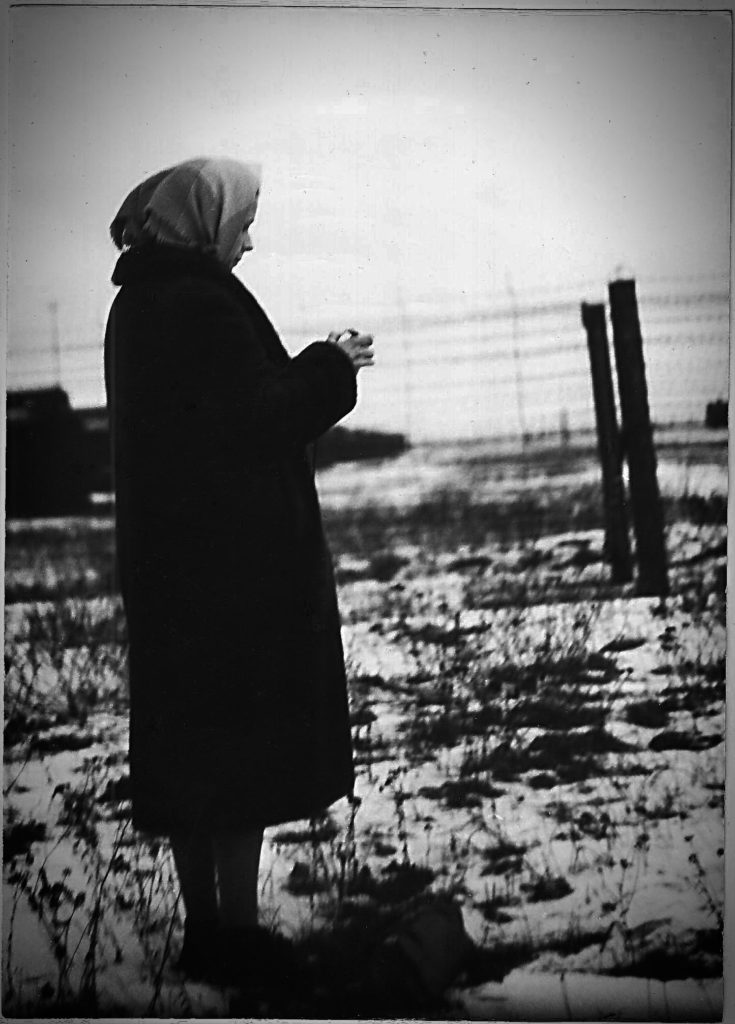
The truth about terror experienced by inhabitants of Europe in the invaded countries became known to the whole world after the liberation, but Sue Ryder saw an unbelievable dimension of Hitler crimes with her own eyes when she was travelling across Europe with the SOE’s aid mission.
When she was writing her biography “Tomorrow Belongs to Them”, she was still unable to describe what she saw and she still had doubts whether people would believe in her testimony of the truth. That is why in her book she quoted testimonies of other witnesses, including Zofia Chlebicka, a prisoner of the concentration camp in Majdanek.
Bods
Young people, victims of the cruelty of the war and post-war chaos, were quickly imprisoned in liberated Europe as a result of law violation. Being hungry, they stole and killed former torturers out of revenge, for which they were punished with top penalties. Aid for the Bods, as Sue Ryder called them, became for that young girl another post-war mission next to the aid for the sick and needy. She provided strength and support to those that could not be rescued. She was their only confidante. But thanks to her resistance, powers of persuasion and faith that her goal was right, she managed to save many prisoners. To solve the problem of people saved from prisons who arrived at a foreign country without documents and were not able to come back to their homes, already in 1952 Sue Ryder opened the first House for Bods in Germany.

 English